The Myopia Epidemic
Myopia, or nearsightedness, is increasing at an alarming rate worldwide. Research suggests that by 2050, nearly half the global population could be myopic. In Nepal, the trend is especially visible in school-age children who spend more time indoors with screens and less time outside.
But myopia isn't just about needing thicker glasses. High myopia significantly increases the risk of serious eye conditions like retinal detachment, glaucoma, and myopic macular degeneration later in life.
Why It Matters to Act Early
The younger a child develops myopia, the faster it tends to progress. A child who becomes myopic at age 6 will likely end up with a much higher prescription than one who becomes myopic at age 12. This is why early detection and intervention are so important.
The goal of myopia management isn't just to correct vision today — it's to slow progression and reduce the final level of myopia your child reaches.
Proven Management Strategies
There are several evidence-based approaches to slow myopia progression:
Outdoor Time
Studies consistently show that children who spend at least 2 hours a day outdoors have a lower risk of developing myopia. The bright natural light is thought to trigger dopamine release in the retina, which helps regulate eye growth.
Low-Dose Atropine Therapy
Low-dose atropine eye drops (typically 0.01% to 0.05%) have shown significant success in slowing myopia progression with minimal side effects. This is one of the most researched and widely used myopia control methods globally.
Specialty Spectacle Lenses
Myopia management lenses like DIMS (Defocus Incorporated Multiple Segments) technology use peripheral defocus to slow axial elongation while providing clear central vision for daily wear.
Orthokeratology (Ortho-K)
Ortho-K involves wearing specially designed rigid gas permeable lenses overnight that gently reshape the cornea. The child wakes up with clear vision during the day — no glasses needed — while the treatment simultaneously slows myopia progression.
What Parents Can Do
Beyond clinical interventions, parents play a critical role:
- Encourage outdoor play every day
- Limit continuous near-work to 30-minute intervals
- Ensure good lighting for reading and homework
- Schedule annual eye exams starting at age 5-6
- Watch for signs like squinting, sitting close to the TV, or complaints of blurry distance vision
Our Approach at Navya Drishti
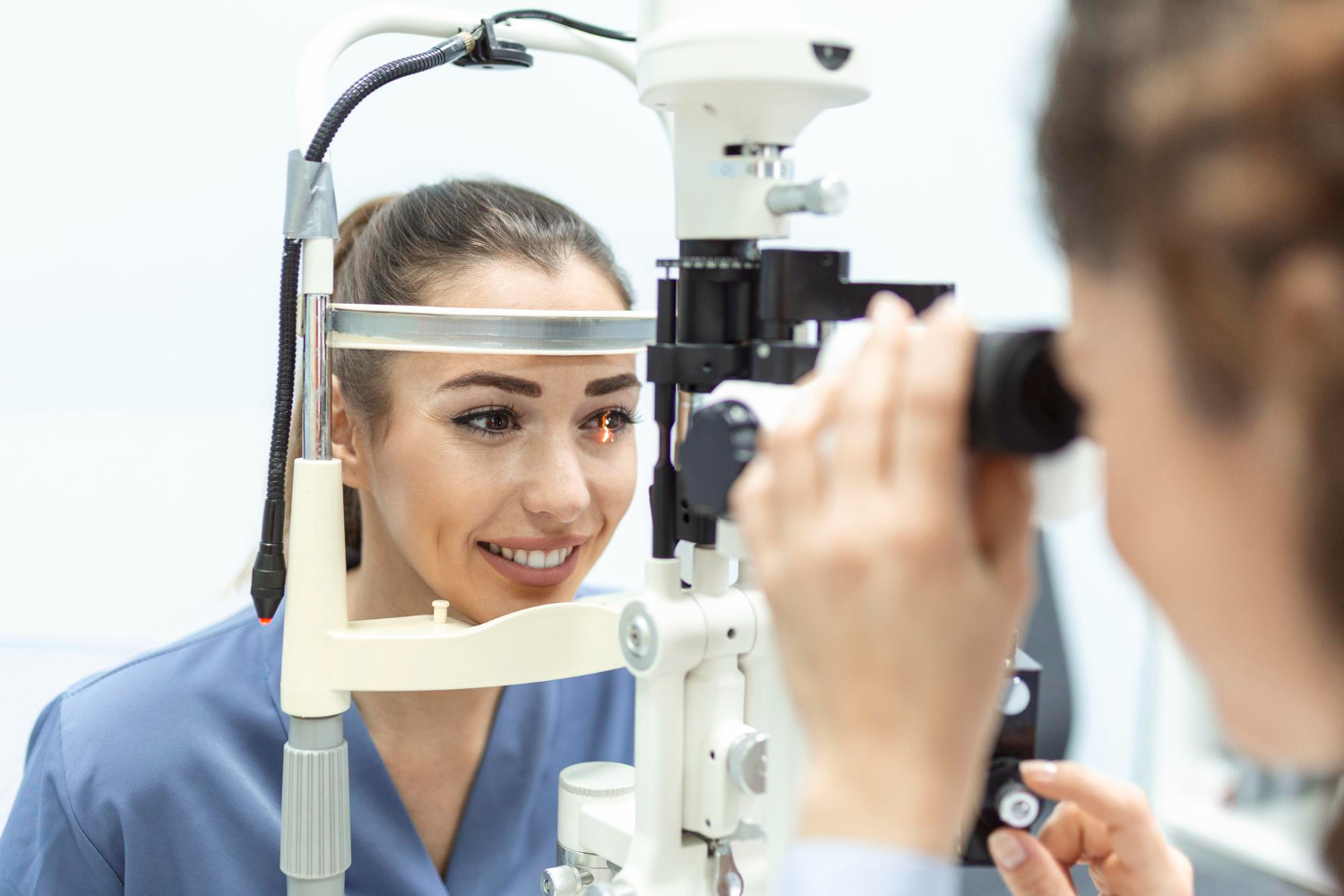
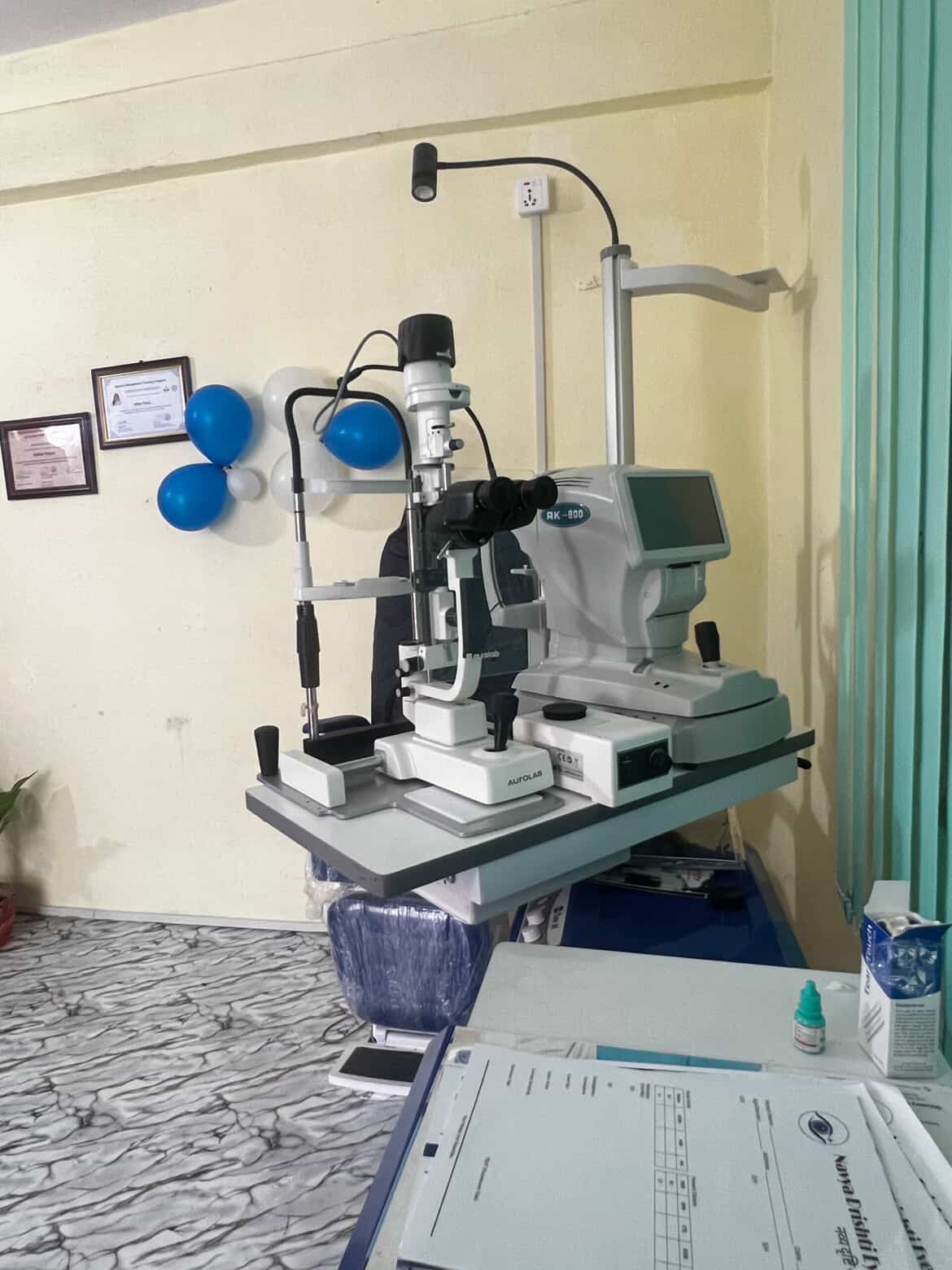
We offer comprehensive myopia assessments including axial length measurement, which is the gold standard for tracking myopia progression. Based on your child's risk profile, we design an individualized management plan and monitor progress at regular intervals.
Share this article