What Is Dry Eye?
Dry eye disease is one of the most common reasons people visit an eye care professional. It happens when your eyes either don't produce enough tears or produce tears that evaporate too quickly. The result? Burning, stinging, redness, and a gritty feeling that just won't go away.
Many people assume dry eyes are just a minor annoyance, but left untreated, the condition can damage your cornea, reduce your quality of life, and even affect your vision over time.
Common Causes
Dry eye isn't caused by one thing alone. It's usually a combination of factors working together:
- Excessive screen time — We blink up to 66% less when staring at screens, which means tears evaporate faster.
- Environmental factors — Dry air, wind, air conditioning, and high altitude all contribute.
- Meibomian gland dysfunction — The oil glands in your eyelids can become blocked, leading to unstable tear film.
- Medications — Antihistamines, antidepressants, and blood pressure medications can reduce tear production.
- Age and hormones — Dry eye is more common after 50 and particularly affects women during and after menopause.
Symptoms to Watch For
Dry eye symptoms can range from mild to severe. Look out for:
- Burning or stinging sensation
- Feeling like something is in your eye
- Excessive watering (paradoxically, your eyes overcompensate)
- Blurred vision that clears with blinking
- Red, irritated eyes, especially by the end of the day
If you experience any of these symptoms regularly, it's worth getting a proper evaluation rather than relying on over-the-counter drops alone.
Treatment Options
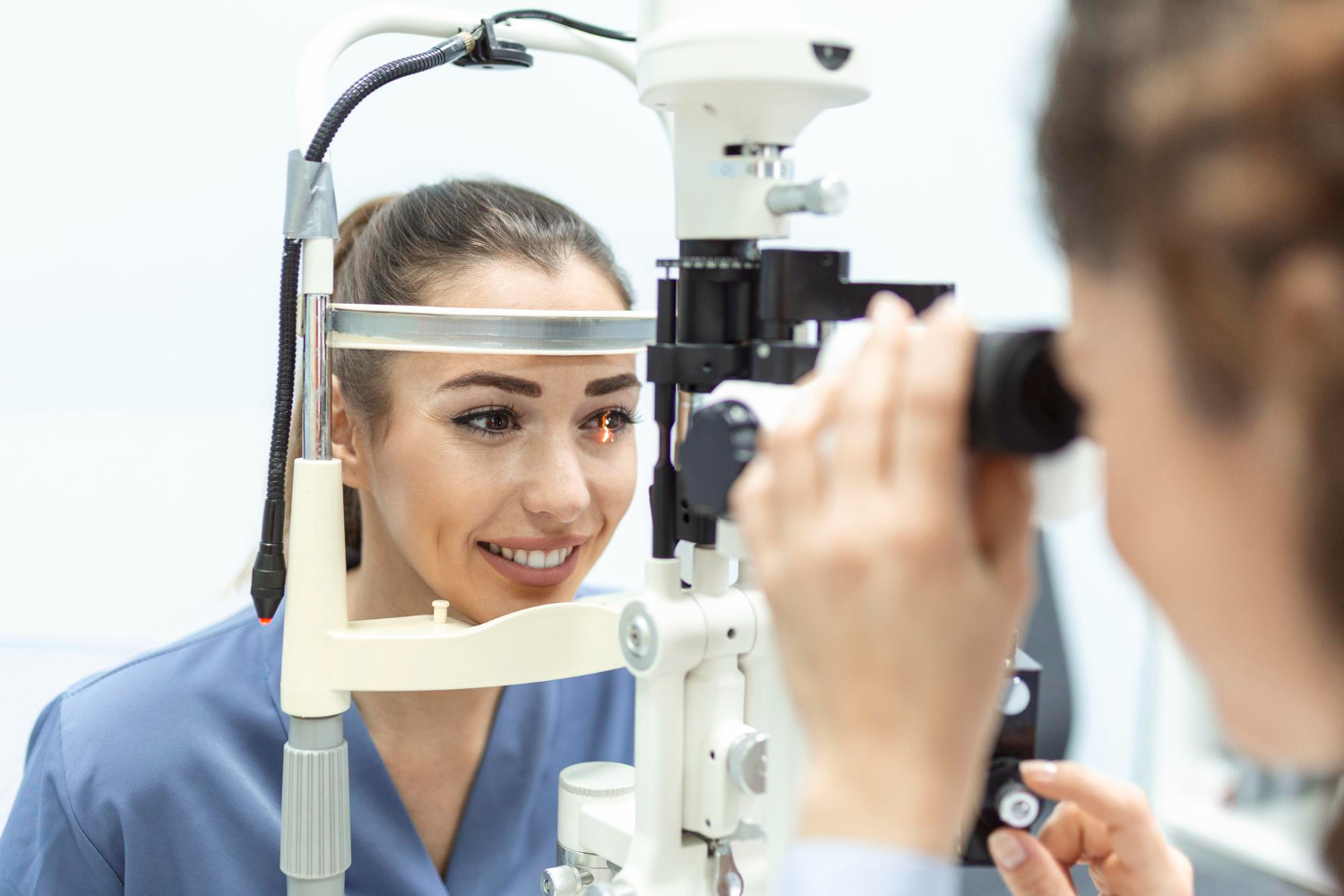
At Navya Drishti Eyecare, we take a step-by-step approach to managing dry eye:
Lifestyle Modifications
Simple changes can make a big difference. The 20-20-20 rule (every 20 minutes, look at something 20 feet away for 20 seconds), increasing humidity at home, and staying hydrated are good starting points.
Tear Supplements
Preservative-free artificial tears are the first line of treatment. We recommend specific formulations based on whether your dry eye is aqueous-deficient or evaporative.
Advanced Therapies
For moderate to severe cases, we may recommend warm compress therapy, meibomian gland expression, or anti-inflammatory eye drops. In some cases, punctal plugs or intense pulsed light (IPL) therapy can provide long-lasting relief.
When to See a Doctor
If over-the-counter drops aren't helping after two weeks, or if your symptoms are getting worse, it's time to see a professional. Early intervention prevents long-term damage and helps you get back to comfortable, clear vision sooner.
Share this article